Why Does Blonde Hair Turn Yellow? Understanding Oxidation
Achieving a clean blonde requires understanding that yellow isn't an accident; it's a chemical inevitability. When you color your hair through any oxydative process, whether it be toner, color. bleach or developer, what you end up doing is strip away darker melanin to in order to turn the hair lighter.
As you do this, you go through orange, bright yellow, and then pale yellow. Very good toners (such as Ugly Duckling toners) will deal with this yellow, but inevitably there is some yellow left.
Using a dedicated purple hair mask at this point is a great way of dealing with this yellow. In this blog we will show you how to do this and get perfect results every time.h
The Science of Brassy Tones
Brassiness is a broad term, but for blondes, it specifically refers to the exposure of warm secondary pigments. If your hair is highly porous from frequent chemical treatments, it'll lose its cool-toned molecules faster and absorb environmental pollutants more easily. Natural yellowing happens gradually as hair ages or encounters minerals, but bleach-induced yellowing is the result of an incomplete lifting process or a faded toner. Understanding your hair's porosity helps you predict how often you'll need to apply corrective pigments.
Level 9 vs. Level 10: Identifying Your Base
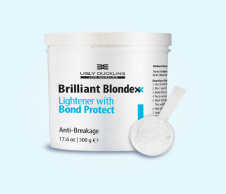
You must identify your base level to choose the right corrective path. Level 10 is "pale yellow," similar to the inside of a banana skin, while Level 9 is a deeper, more saturated "banana yellow." A purple hair mask for yellow tones is most effective on these lightest levels. If your hair still looks orange or copper, you haven't reached the yellow stage yet. In those cases, you need more lift with a product like Brilliant Blondexx Bleach rather than more pigment. Neutralization has limits. It can cool down a shade, but it cannot lighten the hair's actual level.
The Science of Violet: How a Purple Hair Mask Works
If, however, your hair is at level 10, in other words you have lifted it to the maximum, then purple mask has a clear role to play in getting rid of teh final yellow. The efficacy of a purple hair mask for yellow tones is rooted in basic color theory. On the traditional color wheel, violet sits directly opposite yellow. When these two colors are layered, they cancel each other out to create a neutral, achromatic tone. This process is known as optical neutralization. It doesn't lighten the hair's actual level. Instead, it changes how light reflects off the hair fiber, moving the visual result from a warm "canary" yellow to a cool, icy finish.
Pigment density is where professional masks differ from standard shampoos. While a shampoo provides a light wash of color, a mask delivers a high concentration of crushed violet pigments. This is essential for Level 9 and Level 10 blondes. If your hair is at these palest levels, violet is your corrective tool. However, if your hair is Level 7 or 8 and appears orange, a violet pigment won't be effective. You would instead require blue pigments to neutralize those deeper copper tones. For those at the correct pale yellow base, using a high-performance Purple Shampoo & Mask system ensures that the pigment load is sufficient for total neutralization.
Neutralization vs. Dyeing
It's vital to distinguish between neutralizing and dyeing. A professional purple mask doesn't open up the hair cuticle and so when you are using purple mask you are not coloring from the inside. Instead, it uses temporary pigments that adhere to the cuticle to filter out warm light waves. You are toning the outside of the hair. Professional-grade violet pigments are calibrated to maintain clarity and brightness while they work, ensuring the blonde remains vibrant.
Repairing the Cuticle During Toning
Bleached hair often has a compromised, open cuticle. This structural damage is why color fades so quickly; there's nothing to hold the pigment in place. Modern acidic pH technology is vital here. By lowering the pH of the hair during the toning process, a quality mask helps to seal the cuticle. This "locks in" the cool tones and smooths the hair surface. Ugly Duckling Color integrates conditioning agents into the toning process to provide fiber protection, ensuring that the hair isn't just color-corrected, but also structurally reinforced and hydrated.
Purple Mask vs. Purple Shampoo: Which Do You Need?
Choosing between a purple shampoo and a mask isn't about personal preference; it's about a diagnostic assessment of your hair's current state. Purple shampoo acts as a maintenance tool designed for frequent, surface-level cleansing. It deposits a light layer of pigment to counteract daily oxidation. In contrast, a purple hair mask for yellow tones functions as an intensive corrective treatment. It combines high-density violet pigments with conditioning agents that penetrate the hair shaft to repair damage while neutralizing stubborn warmth.
Texture and porosity dictate which tool you should select. Bleached hair is often high-porosity, meaning the cuticle is raised and the structure is fragile. A shampoo might provide the color you want, but it lacks the lipid-replenishing properties required to stabilize the hair fiber. If your hair feels dry or straw-like, the mask is the logical choice. It provides a 10-minute deep treatment that restores hydration while delivering a far more potent dose of neutralization than a quick 3-minute shampoo refresh.
When to Reach for the Mask
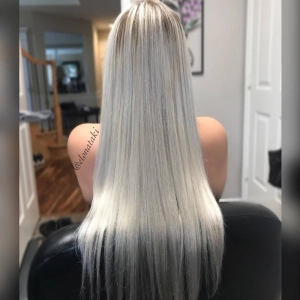
Reach for the mask immediately after a Brilliant Blondexx lift. Freshly lightened hair is at its most receptive and most vulnerable. Applying a mask at this stage ensures that yellow undertones are neutralized while the hair's internal bonds are supported. It's also the superior choice for weekly deep-toning sessions to maintain an "icy" Level 10 finish. If you have high-porosity ends that tend to "grab" too much pigment and turn purple, the mask's conditioning base provides a more controlled, even distribution than a liquid shampoo.
When Shampoo is Sufficient
Shampoo is sufficient for preventative care on natural platinum or grey hair where structural repair isn't the primary goal. It's also ideal for fine hair that is easily weighed down by heavy conditioning agents. For professional-grade results, many stylists utilize a "Double-Violet" strategy. This involves cleansing with the Purple Shampoo to prep the surface, followed by a purple hair mask for yellow tones to provide deep correction and hydration. This systematic approach ensures maximum pigment saturation without compromising the hair's volume or texture.
Professional Protocol: How to Apply a Purple Mask for Yellow Tones
Achieve a uniform finish by following a strict application protocol. Before applying a purple hair mask for yellow tones, you must clarify your hair. This removes mineral buildup from hard water and product residue that can block pigment absorption. If you skip this step, the violet pigments may sit unevenly on the surface, leading to a dull or "muddy" appearance. Think of this as preparing a clean canvas for your color correction.
Always towel-dry your hair before application. Excess water acts as a buffer and dilutes the violet concentration, which leads to weak neutralization. Your hair should be damp but not dripping. To avoid patchy or "purple-spotted" results, section your hair into four quadrants. This allows you to work systematically, ensuring that every strand receives an equal amount of pigment. This methodical approach is what separates a professional result from a standard DIY attempt.
Step-by-Step Application Guide
Start with the "yellowest" areas first. These are typically the mid-lengths and roots where the hair is densest and often holds more warmth. Emulsify the product in your hands before applying it to the hair to ensure the pigments are activated and ready to bond. Work in small sections and use a wide-tooth comb to distribute the mask evenly from the roots to the ends. For a complete corrective system, integrate a high-performance Purple Shampoo & Mask into your routine to maintain total tonal control.
Managing Processing Time
Timing is a variable, not a fixed rule. If you only need a light maintenance refresh, the 3-minute rule is usually sufficient. However, for stubborn yellow "canary" tones, you should extend the processing time to the 10-minute corrective limit. You must visualize the toning process by checking a small strand every few minutes. If your hair is highly porous and starts looking blue or violet, perform a "Flash Rinse" immediately with cool water. This stops the pigment deposit before the hair becomes over-toned.
Finish the protocol by rinsing thoroughly with cool water. This final step helps to seal the cuticle and lock in the cool tones you've just achieved. A proper rinse ensures the hair remains vibrant and reflects light correctly, providing the icy, salon-fresh finish that defines professional-grade blonde maintenance.
Long-Term Maintenance: Keeping the Yellow Away
Maintaining a professional blonde requires more than just occasional correction. You must adopt a systematic "Blonde Maintenance Kit" mindset that prioritizes both color stability and structural integrity. One of the most overlooked causes of yellowing is heat damage. If you use high temperatures on your styling tools, you are essentially "cooking" the toner out of your hair and exposing the raw yellow base. Always apply a professional heat protectant before styling to preserve the cool-toned pigments deposited by your purple hair mask for yellow tones.
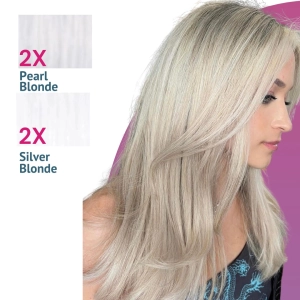
Chemical treatments like bleaching strip the hair of its natural lipids, leaving it prone to frizz and breakage. Integrating Argan Oil Miracle into your post-toning routine is essential for restoring this lipid layer. If the hair fiber is hydrated and smooth, it reflects light more effectively, which enhances the "icy" appearance of your blonde. Eventually, even the best mask routine will reach its limit. If you find that yellow tones are resurfacing within 24 hours of masking, it's time to re-tone with a permanent Silver Blonde Toner or Pearl Blonde Toner to reset your base.
Post-Toning Care with Argan Oil
Using a high-quality oil is necessary to seal the cuticle after using a purple hair mask for yellow tones. Argan Oil Miracle reduces frizz and significantly increases light reflectivity, giving your hair a luminous, salon-grade finish. For a non-greasy result, apply a small amount only to the mid-lengths and ends while the hair is damp. This creates a protective barrier that prevents environmental pollutants and hard water minerals from penetrating the hair shaft and causing rapid oxidation.
Your Monthly Blonde Schedule
Consistency is the key to avoiding "canary" yellow emergencies. Follow this professional schedule:
- Week 1: Perform an intensive corrective treatment with the Purple Mask to reset the tone and repair the fiber.
- Week 2-3: Use Purple Shampoo for maintenance to neutralize daily oxidation from UV rays and tap water.
- Week 4: Re-evaluate your base. If the yellow is too stubborn for temporary pigments, use the Color Mix Calculator to determine the exact ratio for your next permanent toning session.
The Ugly Duckling Color Solution
The Ugly Duckling Color Purple Shampoo & Mask system is engineered for those who take their results seriously. It moves your hair from a brassy, unfinished state to an authoritative, professional blonde by combining high-density pigments with acidic pH technology. Don't settle for "good enough" when you can achieve a perfected, salon-fresh aesthetic at home. Shop the Professional Purple Mask & Maintenance Range to master your blonde transformation today.